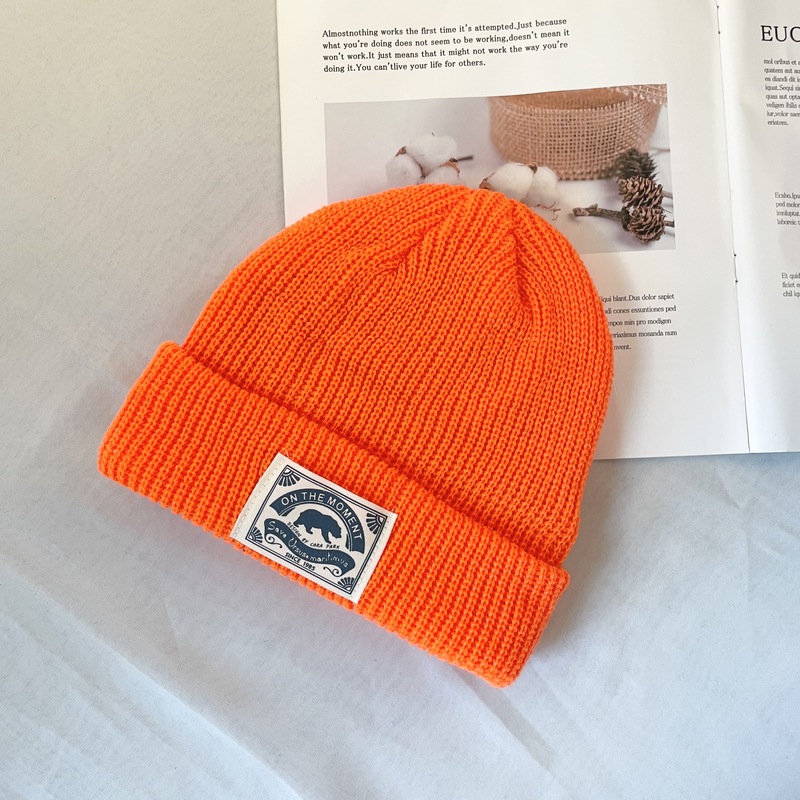
Looking back at my shopping habits makes me cringe. I used to think buying winter accessories was straightforward—it's anything but. I kept purchasing inexpensive hats that appeared attractive online but turned out to be disappointing in person.
When I calculated the total cost of those impulsive purchases, I realized I'd bought roughly six or seven hats over two seasons. Every single one ended up forgotten in the back of my closet. I'd thrown away nearly $150 that could have been invested in one genuinely excellent cap.
If you're fed up with flimsy materials and irritating foreheads, learn from my experience. I eventually discovered the right hat, and it completely transformed my winter wardrobe.
My initial error was consistently choosing the lowest-priced options. A $10 beanie might seem like a bargain, but it's anything but. Those hats are inexpensive for a clear reason—they use inferior materials. This cheap fabric creates two immediate problems:
When I wore these hats on chilly days, my ears would freeze. The thin material stretched awkwardly over my head, making me look ridiculous. I was essentially throwing money away. I used to buy cheap hats because I wanted different colors regularly, but now I understand that quality always outweighs quantity.
Verdict: Avoid super cheap hats entirely. Search for products described as "Thicker" in their titles. Thin fabric equals zero insulation.
Online product images can be deceptive. They showcase models appearing cozy and content, with beanies sitting perfectly slouchy and relaxed. Then the actual product arrives at your doorstep.
The hat feels constricting, clinging to your head like a swim cap. The scratchy acrylic material makes your hair stand on end. I specifically purchased one grey beanie because it looked soft online, but it felt like steel wool against my forehead. Misleading advertising is particularly prevalent with winter accessories where texture is crucial.
Verdict: Don't rely solely on model photographs. Verify whether the beanie includes lining (such as fleece or wool blend) and read reviews discussing the actual "feel" of the material.
I used to click 'Add to Cart' within seconds without checking measurements. I blindly trusted "One Size Fits Most"—a complete falsehood. If a hat doesn't specify size ranges, assume it will be too small.
I overlooked crucial details. A quality hat will specify measurements like 55-59cm, indicating exactly how much stretch to expect. I also never verified warmth claims, simply assuming "winter hat" meant "warm."
Now I know to examine specific material characteristics: